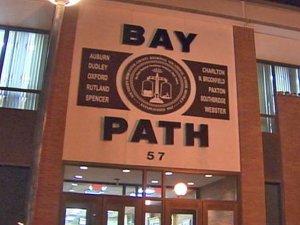
CHARLTON, Mass. – Union finagling has a vocational plumbing program for students at Bay Path Regional Vocational Technical High School circling the drain.
The Board of State Examiners of Plumbers and Gas Fitters sets statutes and regulations regarding field training for vocational plumbing students and it’s heavily influenced by the local plumbers union, the News Telegram reports.
That body recently revised student-to-teacher ratios for public projects, changing it from 8-to-1 to 6-to-1.
MORE NEWS: From Classroom to Consulate Chef: Culinary Student Lands Dream Job at U.S. Embassy in Paris
“The latest policy change doesn’t prohibit field work at public sites, but instead imposes new regulations that may be unattainable for Bay Path …” the news site reports. “The school employs three plumbing instructors for 56 students in classes of 14 each.”
“ … If only six students go to a job, the number of students left behind in class would exceed the maximum allowed by the teachers contract,” according to the News Telegram.
“The issue becomes one of the current setup. We cannot exceed 20 students in the shop. By leaving eight behind, instead of six, there will be 22,” superintendent John Lafleche explained.
“The plumbers union is a very strong influence on the plumbing board. Whenever the union feels their jobs are being taken away, they go to the plumbing board,” school committee member Thomas V. Mroczek said at a Tuesday committee meeting.
The plumbing board also changed its policy to require the district’s instructor to seek project approval in person from the board, which meets on weekdays in Boston, which means the district would be required to hire a substitute each time, the News Telegram reports.
A third change requires students to accumulate 220 hours of instruction to participate in field projects, and 110 hours of plumbing instruction to work residential jobs.
MORE NEWS: Know These Before Moving From Cyprus To The UK
“The (plumbing) board is obviously taking their marching orders from the (plumbers’) union,” Bay Path committee member Michael Langevin said at the recent meeting.
The union-driven decision will not only impact students’ opportunities to learn their craft, it could take a significant bite out of the substantial community service work they perform.
The News Telegram reports field jobs have included “the installation of lighting in a community center, the welding of metal chairs for a senior center, and restroom renovations in a fire station” among others.
“According to town reports, Bay Path students performed more than 900 outside projects last year,” the news site reports.
The student work, which is done mostly within the district, has benefited nonprofits and municipalities by providing cheap labor while at the same time giving students valuable hands-on experience.
Essentially, the program went from a win-win for schools and locals, to a no-win situation that benefits only unionized plumbers.
It’s the second time the plumbing board has attempted to drain the student program, according to the News Telegram.
In 2007, the board halted work by vocational schools for municipalities and nonprofits on public sites, but appeals by school, town and state officials convinced its members to back off.
Bay Path officials resolved to appeal the most recent set of changes – which impacts students from Auburn, Charlton, Dudley, North Brookfield, Oxford, Paxton, Rutland, Soughbridge, Spencer and Webster – before taking more drastic measures.


Join the Discussion
Comments are currently closed.