TOPEKA, Kan. – The Kansas Supreme Court ruled on Thursday that the state is not adequately funding public schools, and it tasked lawmakers with devising a new system to increase spending by hundreds of millions of dollars.
“Plaintiffs have shown through the evidence from trial – and through updated results on standardized tests since then – that not only is the State failing to provide approximately one-fourth of all its public school K-12 students with the basic skills of both reading and math, but that it is also leaving behind significant groups of harder-to-educate students,” the ruling read, according to NPR.
MORE NEWS: From Classroom to Consulate Chef: Culinary Student Lands Dream Job at U.S. Embassy in Paris
The court pointed to nearly half of the state’s black students and a third of Hispanic students who are not proficient in math and reading. More than a third of low-income students also failed those subjects in 2015-16, state data shows.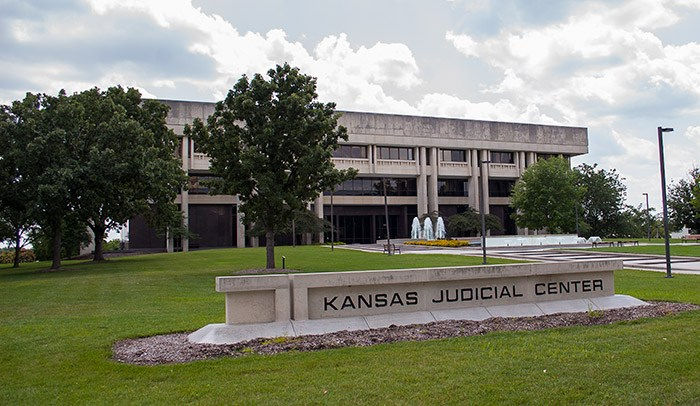
The Kansas City Star reports:
Thursday’s ruling did not specify an exact dollar figure for fixing the finance system, but it did reference conclusions previously made by a district court that restoring the state’s old school finance system and increasing the base aid per student would satisfy the requirement.
John Robb, an attorney for the plaintiff districts, pegged the cost of doing this at roughly $800 million. …
However, Dale Dennis, the director of school finance for the Kansas Department of Education, said that the cost would be closer to $535 million. Dennis noted that the court did not say that this amount was required, just that court said it would accept these changes.
The lawsuit was filed by four Kansas school districts in 2010 and argued that the state did not meet its constitutional requirement to adequately fund schools. The state’s high court agreed with the plaintiff’s argument that funding levels are linked to student performance, and found Kansas’ school finance system “is not reasonably calculated to have all Kansas public education students meet or exceed the minimal constitutional standards of adequacy,” NPR reports.
During the national recession Kansas lawmakers cut “base state aid per pupil” from $4,400 in 2009 to $3,780 by 2012, while the Kansas State Board of Education wanted the BSAPP at $4,492. The Kansas Supreme Court ruled a BSAAP around $4,654 “might” satisfy the constitutional requirement and tasked lawmakers with reworking the funding formula to reflect that by June 30, according to the news site.
Education is currently the most expensive item in the state budget at $4 billion per year. State lawmakers did away with the school funding system in 2015 and replaced it with a temporary block grant system that also expires June 30, the Star reports.
The state is also in the midst of a budget crisis with a $1 billion deficit through June 2016.
MORE NEWS: Know These Before Moving From Cyprus To The UK
Democrats and school officials applauded Thursday’s ruling, while Republicans were less enthused.
“Today’s decision confirms what we already knew — Kansas schools are significantly underfunded, threatening the quality of education our children are receiving wherever they may reside in our state,” Senate Minority Leader Anthony Hensley, a Topeka Democrat, told the Star.
Kansas City superintendent Cynthia Lane called the ruling “a victory for school children throughout the state of Kansas” and said lawmakers are “now challenged to implement sound and responsible tax policies which will allow them to meet the mandates of this court decision.”
House Majority Leader Don Hineman, meanwhile, said that while he’s not surprised by the ruling, he believes lawmakers will find a way to come up with the cash despite other budget issues and the short timeframe.
“That’s a pretty fast track, but again it’s not surprising because if the current system is unconstitutional, we can’t proceed forward into the new fiscal year with that system,” he told the Star. “So it does put some pressure on us, but I believe it’s doable.”


Join the Discussion
Comments are currently closed.