CHATTANOOGA, Tenn. – The head of one of the most successful companies in America believes the country’s education system has serious problems, and it all stems from the unionized public school monopoly.
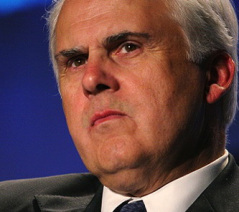
“We’re not producing the type of students we need for the 21st-century workforce – period,” Frederick Smith, founder and CEO of FedEx, told attendees at annual meeting of the Chattanooga Area Chamber of Commerce.
MORE NEWS: From Classroom to Consulate Chef: Culinary Student Lands Dream Job at U.S. Embassy in Paris
The problem, Smith believes, is a lack of competition in the education system that’s currently dominated by unionized public schools that continue to produce poor academic results, the Chattanooga Times Free Press reports.
“Monopolies tend to gravitate to the lowest common denominator,” Smith said. “I strongly believe the most important thing that makes FedEx better every day is competition.”
The chairman of the Memphis-based parcel delivery service told those at the gathering he favors school vouchers and charter schools as a means of generating similar competition and innovation in education, the Chattanooga Times Free Press reports.
“You wouldn’t watch an NFL game if there weren’t two teams on the field,” he said. “You wouldn’t watch a tennis match if there weren’t two players.”
Smith also explained how outdated government regulations can choke innovation, giving the example of regulations in place in 1973 that limited the types of planes FedEx could use.
“The archaic regulations were stifling innovation,” he said, according to the news site.
MORE NEWS: Know These Before Moving From Cyprus To The UK
FedEx was among companies that pushed for deregulation of the airline cargo industry later that decade, as well as changes to ground transportation regulations that opened up business and prosperity like never before, he said.
“Contrary to opponents, life on earth did not cease,” Smith said.
“They were profound pieces of legislation, absent of which there’d be no Wal-Mart, no Target, no Amazon, no FedEx,” he said. “It’s government getting out of the way and it made a huge difference in our society.”
The parallels to education are obvious.
In cities and states across the country, regulations give local school boards authority to approve or deny charter schools in their districts. The obvious conflict of interest plays out with repeated rejections from promising charter school operators by establishment education officials who perceive competition as a threat.
Local school boards are typically unwilling to compete for state education funds for students that are currently forced to attend specific schools based on their area code.
Education bureaucrats and union sympathizers have also lead efforts to prevent competition through private school voucher programs by staging protests and leaning on Democratic lawmakers in many states.
As in the delivery business, the delivery of education is stifled by archaic regulations that favor failing government school options while limiting school choice for families – and America’s youths continue to fall farther behind their peers in other developed countries.


Join the Discussion
Comments are currently closed.